Updated: 4/3/2026 (US Format)
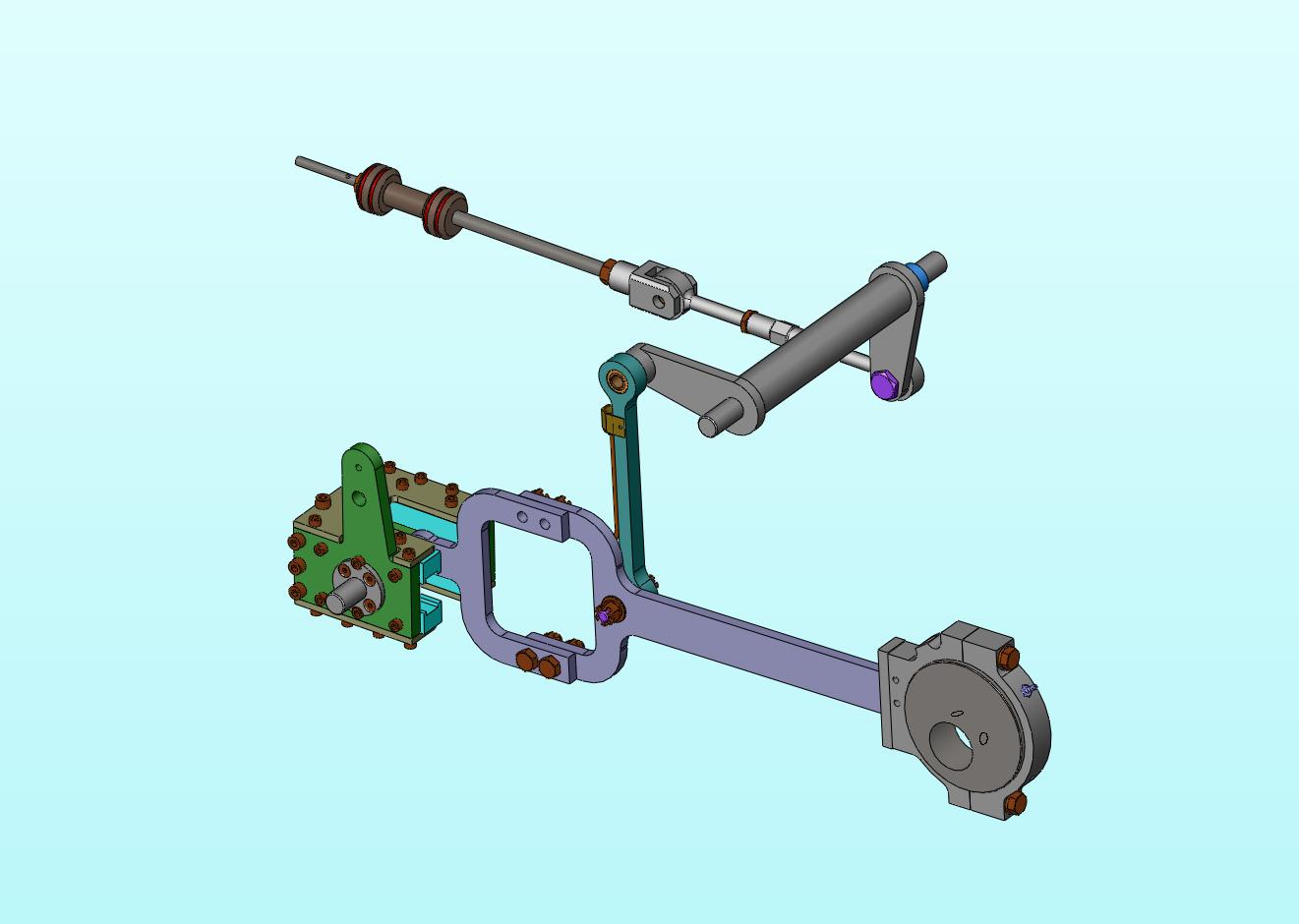
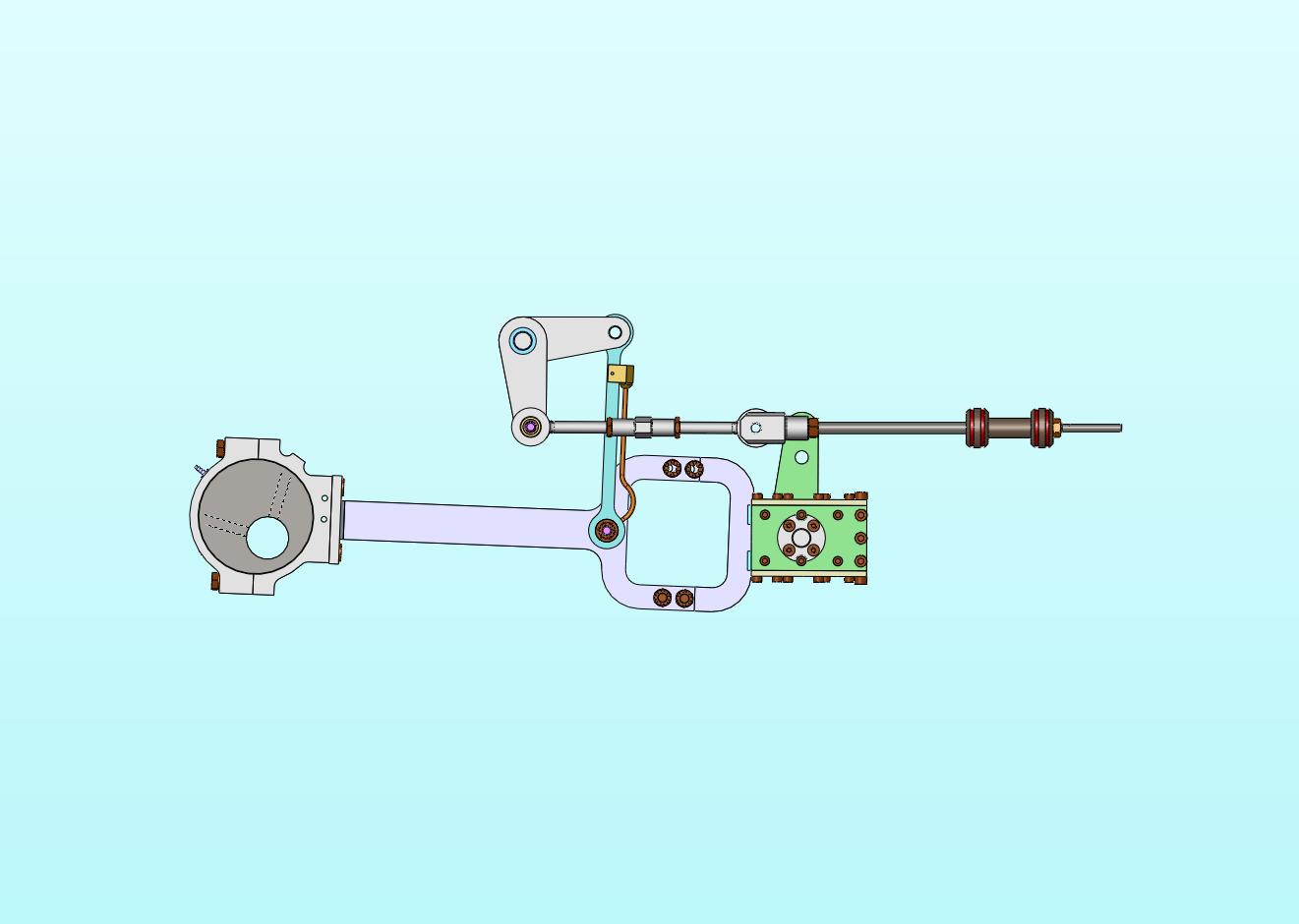
A Bifurcation in a rod is a divergence of one rod into two branching rods that re-converge before the whole rod terminates. This creates a gap through which other components namely axles can fit so the rod can freely move without fouling on them.
A bifurcation is undesirable because it reduces the strength of the rod, but if one must be used it is safer to use one on an eccentric rod, because the stresses on eccentric rods are much less severe than on a connecting rod.
Bifurcated eccentric rods have been used on the Hackworth gear of the WWLR Garratts to great effect.
Bifurcated connecting rods were used in select few balanced American compound designs. It's plain to see just by looking at them that they're not as strong as they should be and are thus more liable to break while in use. They should not be used and cylinder offsets, clearance cranks, or dividing the drive should be implemented instead to avoid using them.
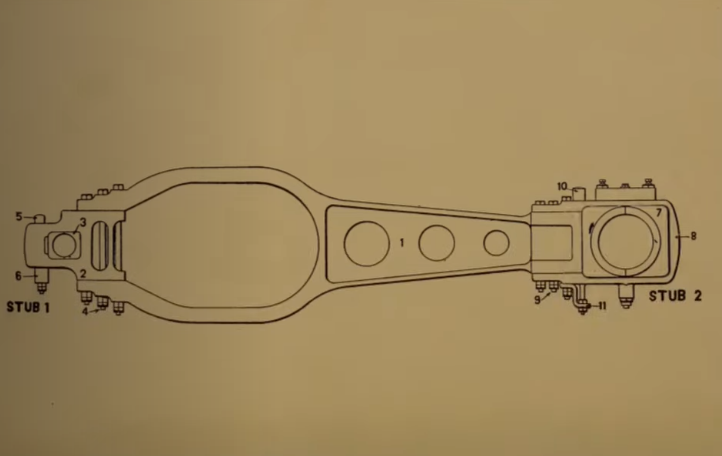
A Bifurcated rod was also used for the middle cylinder of the Great Eastern Railway Decapod 0-10-0 one off locomotive. The design of this connecting rod is slightly better because it doesn't have bends in the structural elements. This was possible because the engine also made use of a clearance crank in combination.